
Why healthcare UX breaks without systems thinking
.png)
Systems thinking in healthcare UX means designing with awareness of how interfaces, workflows, data, roles, and regulations interact across the entire care ecosystem, not just within a single screen or feature.
In healthcare, UX decisions influence safety, efficiency, comprehension, and compliance. Unlike consumer software, design choices in healthcare can affect clinical decisions, data integrity, and user trust. This is why systems thinking is not optional in healthcare UX. It is foundational.
Why healthcare UX needs a different lens
Healthcare UX directly influences patient safety, clinical accuracy, and operational reliability, making usability a risk factor, not just a quality concern.
Healthcare products operate in high-stakes environments with multiple user roles, strict regulations, and complex workflows. Poor UX can contribute to misinterpretation, delays, or use-related errors.
Human factors research shows that consistent and predictable interfaces reduce use-related errors in medical devices and digital health systems. This principle is explicitly addressed in guidance from the U.S. Food and Drug Administration, which emphasizes usability as a safety control, not a cosmetic layer.
Healthcare systems also do not operate in isolation. Every interaction is connected to upstream and downstream processes such as documentation, clinical handoffs, and regulatory traceability.
Clinical usability studies consistently demonstrate that fragmented interfaces and workflow misalignment increase cognitive load and error risk. This relationship is widely discussed in health informatics literature published by the BMJ and supported by research indexed in the National Institutes of Health.
What is systems thinking in healthcare UX
Systems thinking in healthcare UX is a mindset that focuses on relationships, dependencies, and downstream effects rather than isolated screens or tasks.
It shifts teams away from designing individual interfaces in isolation and toward understanding how workflows, data flows, user roles, and decisions influence one another.
In healthcare, a small interface change can affect how data is interpreted, how actions are logged, or how compliance documentation is generated. Usability engineering standards for medical devices explicitly warn against isolated design changes that ignore system-level impact.
Health informatics research shows that fragmented workflows and disconnected interfaces increase cognitive burden, slow task completion, and raise the likelihood of error.
Systems thinking helps teams move from fixing visible symptoms to addressing structural causes.
It reframes UX work as:
- Understanding impact rather than just designing screens
- Preventing long-term friction rather than reacting to immediate issues
- Supporting safe decision-making rather than optimizing isolated interactions
UX problems that systems thinking actually solves
Many healthcare UX issues originate from system structures rather than interface defects.
Short-term fixes that create long-term complexity
Human factors guidance warns that isolated UX fixes can introduce new risks elsewhere in the workflow. Local improvements often increase cognitive load or documentation burden downstream.
One-dimensional journeys in multi-role environments
Healthcare workflows involve multiple roles interacting with shared data, and fragmented journeys reduce efficiency and accuracy. Systematic reviews consistently show that role misalignment increases error risk.
Metrics that distort design decisions
Optimizing isolated KPIs without system context can degrade workflow cohesion and decision quality.
Repeating design debt
Health informatics evaluations show that symptom-level fixes lead to recurring usability issues when structural causes remain unaddressed.
Mindset shifts for UX teams in MedTech
Systems thinking changes how UX teams define problems, prioritize work, and measure success.
From tasks to chains of impact
Regulatory usability expectations emphasize traceability and consistency across workflows.
From individual interfaces to shared environments
Healthcare tools support multiple roles, and interdependencies must be designed deliberately to reduce conflict and confusion.
From symptoms to system forces
Evaluating structural contributors improves long-term UX stability and compliance readiness.
From output to influence
UX teams practicing systems thinking become strategic partners who shape safer, more resilient products.
Designing healthcare UX means designing systems
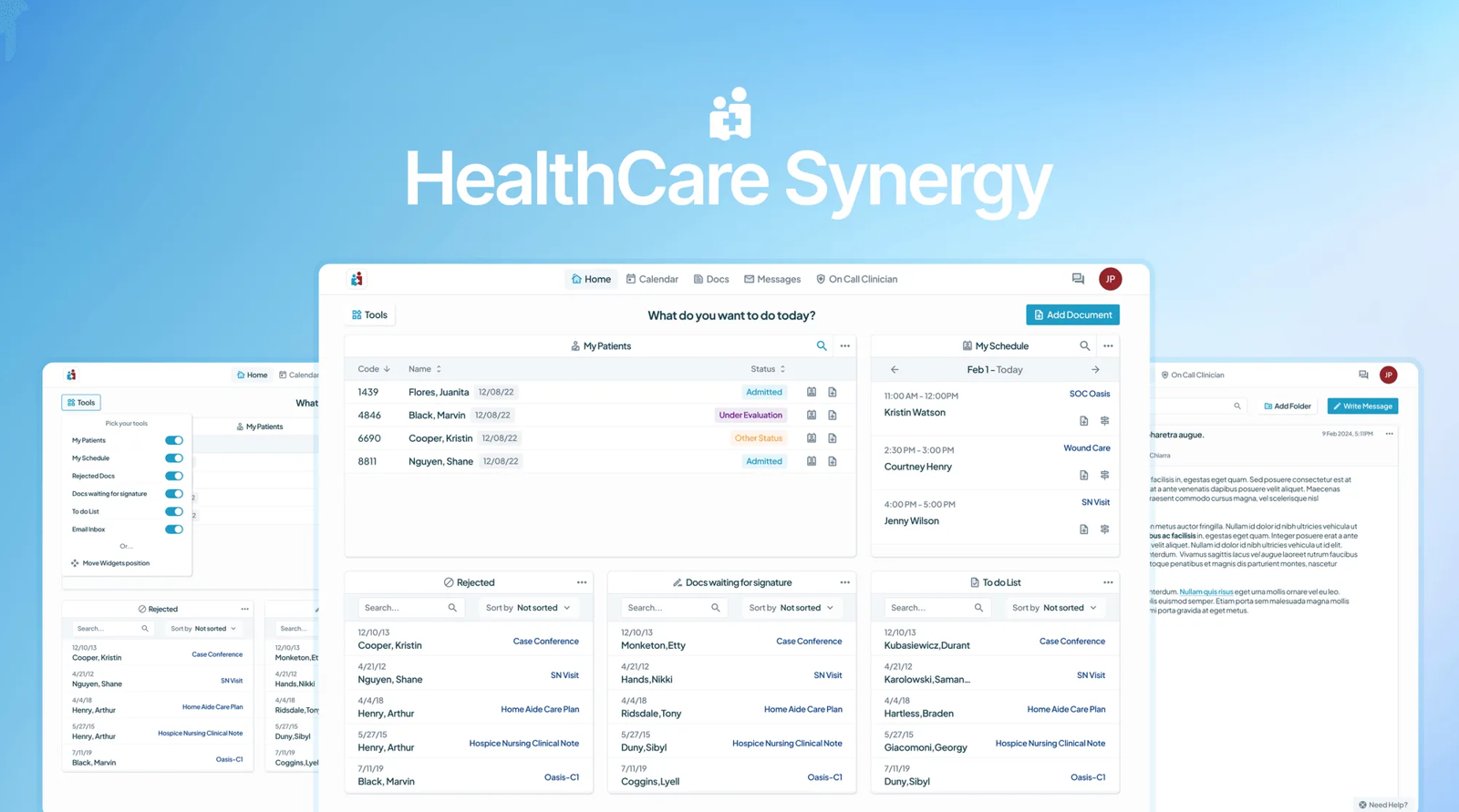
Healthcare UX operates across roles, workflows, regulations, and interconnected environments, and fragmented systems increase cognitive load and risk.
Human factors and clinical informatics research consistently show that lack of system cohesion degrades performance and decision-making.
Systems thinking enables UX teams to design with stability, clarity, and long-term coherence, aligning design practice with how safe medical systems are expected to function.