
Why investing in UX drives measurable business value
Investing in UX design is critical for business because it directly improves usability, conversion rates, accessibility, and operational efficiency while reducing long-term risk and rework costs.
What UX design is and why it matters
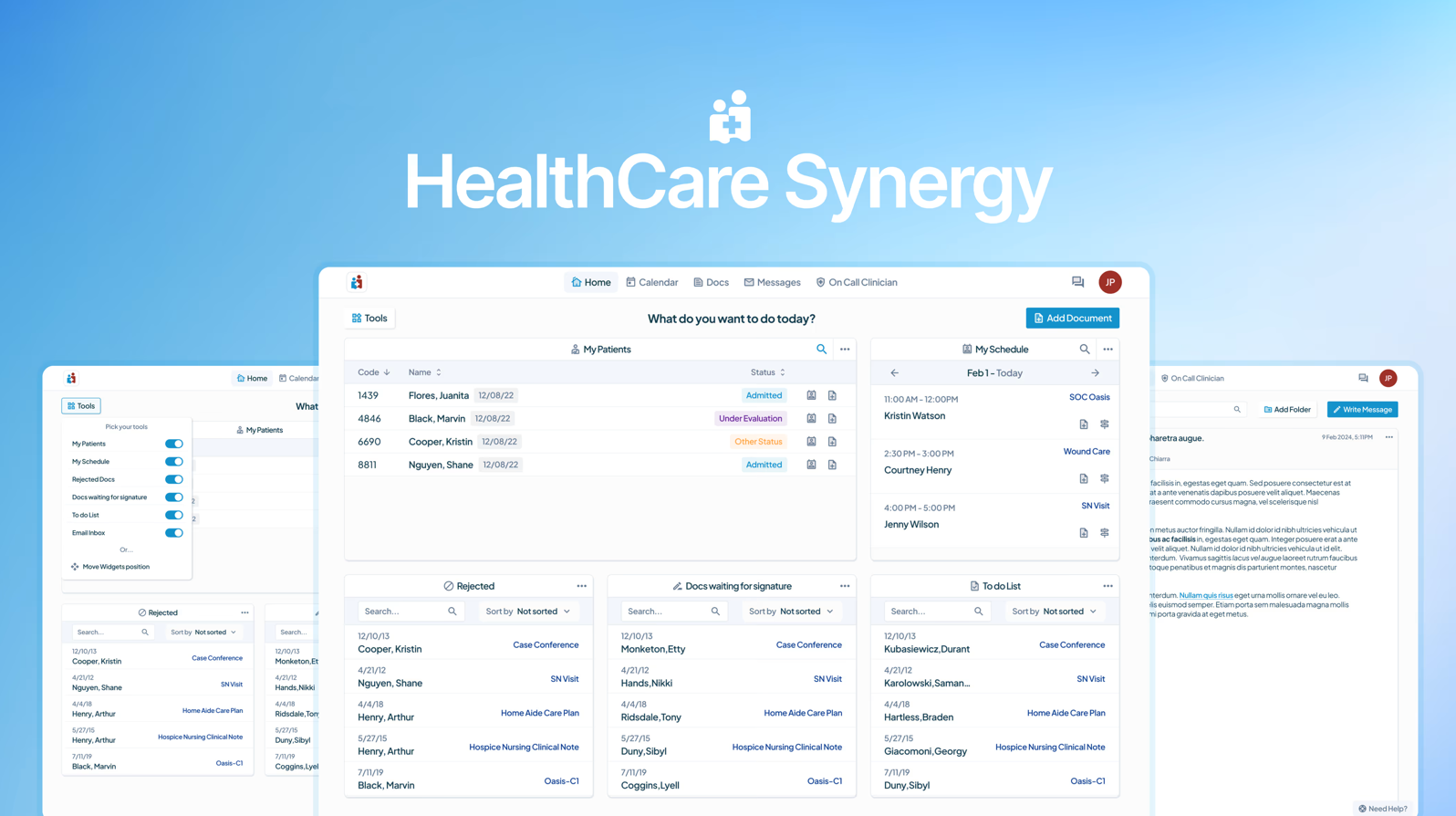
UX design is the practice of designing digital experiences that are usable, accessible, and efficient for real users. In business contexts, UX determines how easily customers can navigate a product, complete tasks, and achieve their goals without friction.
A strong UX ensures that users can:
- Find information quickly
- Understand interfaces without training
- Complete actions with minimal effort
When UX is poorly designed, users abandon products, support costs increase, and revenue opportunities are lost.
Research shows that usability issues are one of the leading causes of product abandonment and low digital adoption.
The business benefits of investing in UX design
Improved customer satisfaction and trust
Clear navigation, predictable interactions, and accessible interfaces reduce user frustration and increase confidence in your brand.
Well-designed UX increases perceived credibility and trust, especially in regulated and high-stakes industries like medtech and healthcare.
Satisfied users are more likely to return, recommend your product, and engage over time.
Higher conversion rates and task completion
UX design directly impacts how users move from intent to action.
Optimized UX helps:
- Reduce form abandonment
- Improve CTA visibility and clarity
- Shorten task completion time
Studies consistently show that UX improvements can significantly increase conversion rates without increasing traffic spend.
Increased engagement and retention
Content only performs well when users can access and understand it easily.
UX improvements such as:
- Faster load times
- Mobile-first layouts
- Clear information hierarchy
This help users stay longer and interact more meaningfully with your product.
Higher engagement correlates with improved retention and lifetime value.
Better SEO performance through UX signals
Search engines increasingly reward user-centered experiences.
UX design influences SEO through:
- Page load speed
- Mobile usability
- Bounce rate reduction
- Core Web Vitals performance
Google explicitly includes user experience signals as ranking factors.
Improving UX is now a foundational SEO strategy, not a separate initiative.
Reduced long-term costs and rework
Fixing usability problems after launch is significantly more expensive than addressing them early.
Research shows that UX issues cost substantially more to resolve post-launch than during early design phases.
Early UX investment reduces:
- Support tickets
- Engineering rework
- Redesign cycles
This leads to more predictable delivery timelines and lower operational risk.
Stronger brand consistency and product clarity
UX design aligns visual systems, interaction patterns, and content structure.
Consistency across products:
- Reinforces brand recognition
- Reduces cognitive load
- Improves onboarding efficiency
This is especially critical for scalable platforms and multi-product ecosystems.
Accessibility and compliance readiness
Accessible UX ensures digital products can be used by people with disabilities and diverse needs.
Accessibility-focused UX:
- Expands market reach
- Reduces legal and compliance risk
- Improves usability for all users
WCAG-aligned design is increasingly expected, not optional, for modern digital products.
Common UX mistakes businesses still make
Overcomplicated navigation
Users should reach key information within a few steps. Complex menus increase abandonment and confusion.
Ignoring mobile-first behavior
Most users interact with digital products on mobile devices first.
Mobile usability issues remain a top cause of conversion loss across industries.
Poor performance and slow load times
Delays of even one second can negatively impact engagement and conversions.
Prioritizing aesthetics over usability
Visually impressive designs fail when readability, contrast, and clarity are ignored.
How Create Ape approaches UX differently
Create Ape focuses on UX as a strategic business system, not just visual design.
Our approach emphasizes:
- Usability and accessibility from the start
- Scalable design systems
- Compliance-aware UX decisions
- Alignment between business goals and user needs
We help teams design products that are usable, compliant, and ready to scale in complex environments like medtech and healthcare. If this resonates, let’s talk.